Polymarket vs Bookmaker: Fees & Best Value
Who Sets the Price
This is the main difference from which everything else follows.
The bookmaker sets the odds themselves. The bookmaker's analysts evaluate the event, include their margin in the line, and set fixed odds. You either accept them or not — no negotiation is possible.
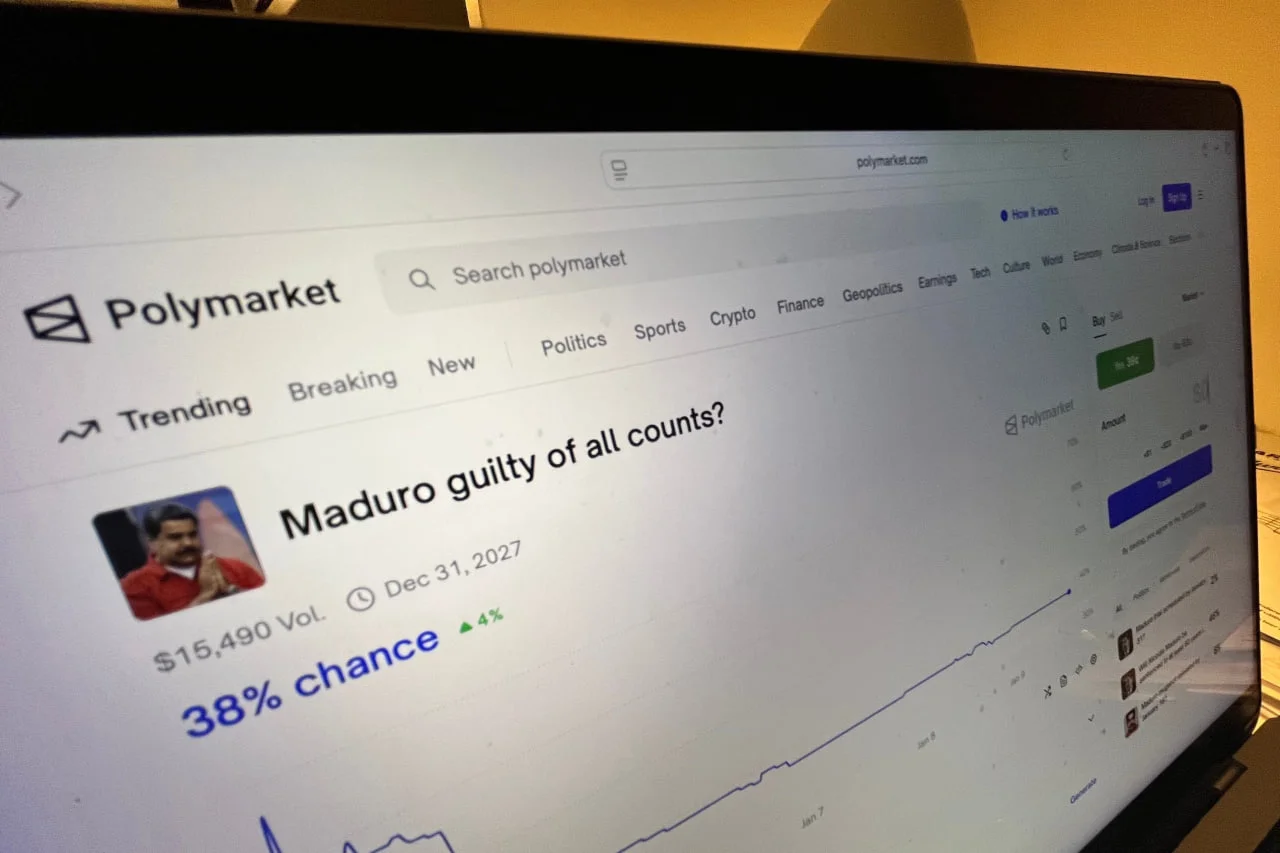
Polymarket — the price is formed by the participants themselves. It's like an exchange: some buy a "yes" share, others a "no," and the price constantly changes depending on demand. No one sets the odds from above — it's determined by the real-time market.
Consequence: with a bookmaker, the price is fixed and includes the bookmaker's markup; on Polymarket, it's dynamic and reflects the real opinion of the crowd.
Who Are You Playing Against
With a bookmaker, you are playing against the bookmaker. If you win, the bookmaker pays. This creates a conflict of interest: the bookmaker is interested in you losing.
On Polymarket, you are trading against other participants. The platform is just a marketplace for deals; it doesn't care who wins (it takes a commission on turnover). There is no bookmaker opponent here who loses on your wins.
An important consequence of this difference is limits. Bookmakers limit and cut off players who consistently win (these are direct losses for the bookmaker). This is not the case on Polymarket: the platform benefits from any turnover, so successful players are not banned for winning.
Where is the Commission Higher
The difference here is palpable, and it's important to understand.
A bookmaker embeds its margin directly into the odds — this is called "vig" or "juice." The typical amount is 4-5% of each bet, hidden in the line. You don't see it separately, but you always pay it. To break even on standard -110 odds, you need to win more than 52% of your bets — you're already at a disadvantage.
Polymarket charges a direct trading commission — usually 1-2% depending on the category (and geopolitical markets are often commission-free). The commission is visible and is taken from the turnover, not hidden in the price.

An example from a real test (Chiefs match, May 2026):
Prediction market: "yes" share at $0.585 (implies a 58.5% chance)
Bookmaker: odds of -135 (which is 57.4% after vig)
The prediction market gave a price that was ~1 cent more favorable — because there is no embedded bookmaker margin.
Over the long run, a difference of 1-3 percentage points is significant for someone who plays a lot.
Can You Exit a Bet
With a bookmaker, a classic bet is "frozen" until the end of the event. There is a cashout function, but its terms are dictated by the bookmaker (usually unfavorable), and it's not always available.
On Polymarket, you can close your position early — sell it back to the market at the current price, just like a stock on an exchange. Did the price rise in your favor? Lock in your profit immediately without waiting for the event outcome. Changed your mind? Exit with minimal losses. You don't have this freedom with a bookmaker.
What Can You Predict
Bookmakers primarily focus on sports (plus sometimes politics and entertainment as secondary markets).
Polymarket covers any real events: elections, Fed decisions, crypto prices, geopolitics, culture, science, weather. Sports are also available, but it's just one of the categories. It's the breadth of topics and accuracy on elections that made prediction markets famous.
Transparency and Trust
A bookmaker is a closed system. How odds are calculated, why they are moved, what happens inside — you don't see it.
Polymarket operates on the blockchain: all transactions are public and verifiable, the price is formed by an open market, and the outcome of the event is confirmed by a decentralized mechanism (oracle). The platform cannot fake or manipulate the result in its favor.
What is More Profitable and Who is it For
Both formats have their place — it's a matter of your goals.
A bookmaker is suitable if you value:
A huge selection of sports bets (handicaps, totals, parlays, live betting)
Welcome bonuses and promotions
Simplicity: choose an odd, place a bet, wait
Familiar betting interface
Polymarket is suitable if you value:
Lower costs (1-2% commission vs. 4-5% vig)
The ability to close a position early
Real probabilities without bookmaker markup
No limits for winnings
Predictions not only on sports but also on politics, economics, crypto
Blockchain transparency
In short: if you just want to "bet on a match" with familiar service and bonuses — use a bookmaker. If you want to trade the probabilities of real events with lower costs and the freedom to exit — use Polymarket. It's not "better/worse," but different tools for different tasks.